
Fluid-applied Resources
Published by Eileen Ybarra on April 6, 2026
You made it through another winter without a single drip, and then, right as the temperatures warm up, you notice a water stain on your ceiling.
What gives? Why is this happening?
Here’s the truth about why roof leaks so often show up in spring, and what you should do about it.
Why Spring Is One of the Most Common Times for Roof Leaks to Appear
If you’ve noticed a roof leak in the spring and wondered whether something is wrong, you’re not alone.
Springtime is one of the peak seasons for roof leaks, and there’s a very clear reason why: winter did the damage, but spring reveals it.
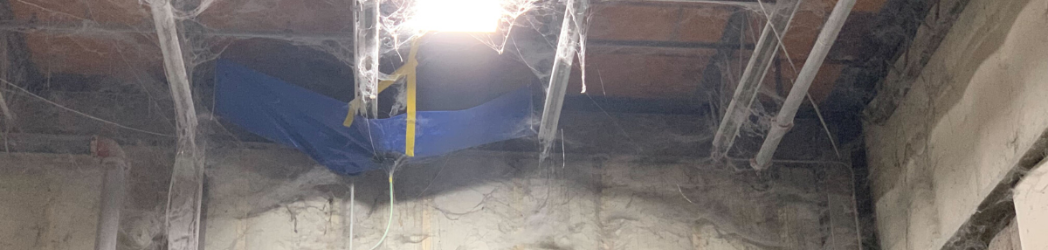
Throughout the cold months, your roof endures a relentless cycle of freezing temperatures, ice, snow, wind, and freeze-thaw expansion. By the time spring arrives, the cumulative wear on your commercial roof often manifests as visible water intrusion (even though damage could have building months prior).
So yes, it is completely normal for roof leaks to appear or worsen in the spring. But “normal” doesn’t mean you should ignore them or act reactively.
What to Do If You Discover a Roof Leak in the Spring
Discovering a roof leak can be stressful, but there are four simple steps you can follow to ensure concerns are addressed.
Step 1: Don’t panic, but don’t wait. Document everything with photos and video. Note when you first noticed the leak and under what weather conditions.
Step 2: Minimize interior damage. Place buckets, lay down tarps, and move valuables away from the affected area.
Step 3: Do NOT attempt to repair your own roof. Walking on a wet or damaged roof is dangerous. DIY patch jobs almost never address the actual source of a leak and can void your warranty.
Step 4: Call a professional roofing contractor immediately. The sooner a trusted professional and industry expert identifies the source of the leak, the less damage occurs. Look for a specialist like White Hat Industrial.
Additional Frequently Asked Questions About Roof Leaks
Why does my roof only leak when it rains hard?
Light rain may not have enough force or volume to penetrate small gaps, while heavy rain can easily overwhelm a marginally compromised area.
Can a roof leak stop on its own?
A roof leak will never repair itself. It may appear to stop during dry weather, but the underlying damage remains and will worsen with the next rainfall.
How do I find where a roof leak is coming from?
Water travels before it drips. The visible stain on your ceiling may be several feet away from the actual entry point. Professional roofers use systematic inspection methods to trace leaks back to their true source.
My roof is only 5 years old. Can it still leak?
Yes. Even newer roofs can develop leaks because of things like flashing failures or storm damage. Age is one factor, but not the only one.
How long does a roof leak repair take?
This typically depends on the extend of damage caused by roof leaks and varies from situation to situation.
Want to work with a fluid-applied roof restoration specialist?
Our team of roof restoration and fluid-applied roofing system specialists partner with customers nationwide to provide high-performing roofing solutions.
Simply call us at 937.909.9030 or contact us via email. You can also follow us on LinkedIn and Facebook to learn more about us and our work.
Related Articles

Can Temporary Roof Repairs Last Through Storms?
Temporary roof repairs are a useful tool, but they’re often misunderstood. At White Hat Industrial, we’ve been called to buildings...

Should I Get My Roof Inspected After Every Major Storm?
The short answer is: not necessarily after every storm, but absolutely after any storm that meets certain thresholds. At White...

How Do I Know If a Storm Damaged My Commercial Roof?
After a major storm passes through, most commercial building owners look at their roof from the parking lot and see...