
Fluid-applied Resources
Published by Eileen Ybarra on May 12, 2025
At White Hat Industrial, we specialize in numerous roofing systems with unique performance and application characteristics. One of those is acrylic roofing systems.
If you’re exploring fluid-applied acrylic roofing systems as a solution for your property, you’re in the right place. Our team of experts have compiled some frequently asked questions we hear about this functional, sustainable, and economical commercial roofing option.
1. What is a fluid-applied acrylic roofing system?
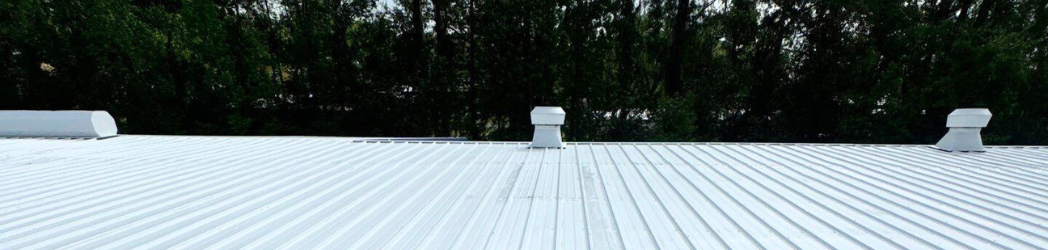
Fluid-applied acrylic roofing systems are a seamless waterproof membrane applied directly to your existing substrate. Designed with durability in mind, these solutions are made to restore, preserve, and extend the life of your current roofing surface without the need for replacement.
2. How long does an acrylic roofing system last?
Some commercial roofing contractors may tell you that you can only get a 10-year warranty with an acrylic solution. But this is false. When working with an industry expert, like our team at White Hat Industrial, you can get a manufacturer-backed 15-20-year Labor, Material, and Workmanship Warranty.
Plus, with the proper maintenance, you may even be able to restore your roof again when the warranty is over. So, you definitely don’t need to worry about your fluid-applied acrylic system not performing or lasting.
3. Do fluid-applied acrylic systems have waterproofing features?
Yes, fluid-applied acrylic solutions do have waterproofing properties and do create a waterproof membrane on site over your existing substrate. Because of this, acrylic systems can withstand rain, wind, UV rays, and other environmental elements.
4. How are acrylic systems installed on site? Are there major disruptions?
Every contractor’s process for installing acrylic systems on site can vary. For example, at White Hat Industrial, we use our proprietary fluid-applied installation processes to ensure every roof we restore is high-performing. Specifically, this includes intentional preparation, planning, and application. This is something we take immense pride in because we are always striving to be The Spec in the fluid-applied roofing industry.
By choosing a fluid-applied acrylic system for your commercial roof, you can avoid major disruptions to daily operations because there is no need for a total tear off and replacement.
5. How do I know if a fluid-applied acrylic system is right for my property?
The first step to determining whether a fluid-applied acrylic system is right for your roof or not is examining the current saturation of your substrate, as well as analyzing any structural damage. If you’re unsure about the current status of your roof or if this option could benefit your property, you can always consult with an industry expert like White Hat Industrial.
Want to explore fluid-applied restoration with White Hat Industrial?
Our team of go-to restoration specialists is here to help you restore and find the best solution for your roofs. Who knows, it could be an acrylic system!
Simply call us at 937.909.9030 or contact us via email. You can also follow us on LinkedIn and Facebook to learn more about us and our work.
Related Articles

Can Temporary Roof Repairs Last Through Storms?
Temporary roof repairs are a useful tool, but they’re often misunderstood. At White Hat Industrial, we’ve been called to buildings...

Should I Get My Roof Inspected After Every Major Storm?
The short answer is: not necessarily after every storm, but absolutely after any storm that meets certain thresholds. At White...
How Do I Know If a Storm Damaged My Commercial Roof?
After a major storm passes through, most commercial building owners look at their roof from the parking lot and see...