
Fluid-applied Resources
Published by Eileen Ybarra on June 15, 2026
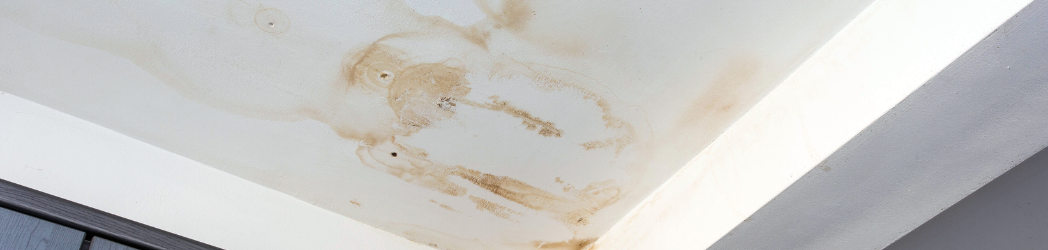
A small drip. A faint ceiling stain. A spot that only shows up in heavy rain. These are the roof leaks that building owners and property managers most often decide to monitor, patch, or put off because they don’t look serious. But, in reality, they are.
Here’s exactly what a small roof leak does to a commercial building over time, why patching is almost never the right answer, and how fluid-applied roof restoration addresses the root cause before a minor problem becomes a major one.
The Short Answer: Yes, Small Leaks Can Cause Major Damage
The relationship between the size of a roof leak and the damage it causes is not proportional. A small, slow leak (the kind that produces a faint ceiling stain or drips into a bucket during heavy rain) can cause tens of thousands of dollars in structural damage, mold remediation costs, and interior repairs while appearing completely manageable on the surface.
The reason is simple: water travels before it drips, and it damages everything it touches along the way.
By the time a small leak becomes visible inside a building, it has already passed through the roofing membrane, saturated insulation, traveled along roof deck sheathing or structural steel, and found its way to the ceiling surface below. A journey that can span several feet in any direction from the actual entry point. Every material that water contacted during that journey is being damaged, even if none of it is visible yet.
Small leaks don’t announce their full impact. They reveal it gradually, and often all at once, when a ceiling collapses, a mold remediation crew arrives, or a structural engineer flags a compromised deck. Understanding how that progression works is one of the most important things a commercial building owner can know about their roof.
How a Small Leak Becomes a Major Building Problem
The timeline below represents the typical progression of an unaddressed small commercial roof leak. The specifics can vary by building type, climate, and roofing system. So, this is just an estimated representation for reference.
Days 1–30: The Leak You Don’t Know About Yet
Most small commercial roof leaks are not discovered immediately. Water enters through a compromised seam, a failed pipe boot, a cracked flashing seal, or a pinhole in aging membrane. It saturates the top layer of insulation, which absorbs and holds moisture without any visible interior sign. Often showing no dripping, staining, or indication that anything is wrong.
Days 30–90: The First Visible Signs
The first interior signs appear: a faint discoloration on a ceiling tile, a slight darkening of drywall, a musty odor in the space below. These are frequently dismissed as minor condensation issues or attributed to HVAC operation, which means the underlying cause continues unaddressed.
Days 90–180: Structural and Biological Damage Establishes
The ceiling stain has grown. The dripping, if the leak is significant enough, has become more frequent. The building owner is now aware that there is a problem and typically responds with a patch.
Months 6–18: The Patch-and-Repeat Cycle Begins
The patch addresses the specific point identified as the leak source. Water intrusion at that specific point may stop. But several things are true simultaneously:
The underlying roofing system is still aging. The conditions that created the original failure (membrane deterioration, flashing degradation, seam adhesive failure) are still present and progressing across the entire roof, not just at the patched location.
Within weeks to months, new drips can appear. Then, the patch-and-repeat cycle is underway, and each cycle costs money while leaving the underlying problem completely unaddressed.
Year 2 and Beyond: The Crisis Point
Buildings that have been in the patch-and-repeat cycle for one to two years typically arrive at a crisis point when one of the following occurs:
- A ceiling tile or section of drywall fails structurally due to sustained moisture saturation
- A structural inspection flags soft spots in wood decking or significant corrosion in steel decking
- A major storm event acting on a roof already compromised by months of small leak damage causes a catastrophic interior water event
At this point, what began as a small leak has become a major problem.
How Fluid-Applied Roof Restoration Solves the Cause of Small Leaks
Fluid-applied roof restoration is uniquely well-suited to the small leak problem because it operates at the system level rather than the point level.
Here is specifically what it does that patching cannot:
- Encapsulates every existing seam and lap joint
- Seals every penetration and flashing transition simultaneously
- Requires repairs prior to installation to ensure high-performance results
- Carries a Labor, Material, and Workmanship Warranty that is manufacturer-backed when you work with an industry specialist
All these make fluid-applied roof restoration a better option than never-ending patches and repairs.
Frequently Asked Questions About Small Leaks & Major Roof Damage
How quickly can a small roof leak cause serious damage?
Faster than most building owners expect, but the exact timeline depends on the roof and its environmental conditions.
Is a ceiling stain always caused by a roof leak?
Not always. HVAC condensation, plumbing leaks, and attic condensation can produce interior staining that mimics roof leak patterns.
Can I tell how bad a roof leak is from the size of the ceiling stain?
No. Ceiling stain size is a poor indicator of leak severity. The only reliable way to assess leak severity is a professional roof inspection with moisture scanning.
My roof has been patched several times in the same area. What does that mean?
It almost certainly means the root cause is still festering. Recurring patches in the same zone indicate either that the entry point was never correctly identified or that the roofing system in that area is at a stage of degradation where individual patches cannot keep pace with the rate of failure.
How do I know if my building has hidden leak damage I’m not aware of?
Schedule a professional roof inspection with an expert like White Hat Industrial to be sure that you know if your building has hidden leak damage or not.
Want to work with a fluid-applied roof restoration specialist?
Our team of roof restoration and fluid-applied roofing system specialists partner with customers nationwide to provide high-performing roofing solutions.
Simply call us at 937.909.9030 or contact us via email. You can also follow us on LinkedIn and Facebook to learn more about us and our work.
Related Articles

Can Temporary Roof Repairs Last Through Storms?
Temporary roof repairs are a useful tool, but they’re often misunderstood. At White Hat Industrial, we’ve been called to buildings...

Should I Get My Roof Inspected After Every Major Storm?
The short answer is: not necessarily after every storm, but absolutely after any storm that meets certain thresholds. At White...

How Do I Know If a Storm Damaged My Commercial Roof?
After a major storm passes through, most commercial building owners look at their roof from the parking lot and see...